Couples Counseling
You’ve talked about. Argued about it. Avoided it. And promised to do better.
Maybe it’s time to figure out what keeps getting in the way.
“I don’t know what happened to us.”

Rebuilding ConnectionSome couples don’t have one big crisis. They just slowly drift. The fun fades, affection becomes rare, and life starts revolving around kids, work, and logistics. If you feel more like roommates than partners, couples counseling can help you understand how you got here, what’s getting in the way, and how to find your way back to each other - emotionally and physically.
“How can I ever trust again?”
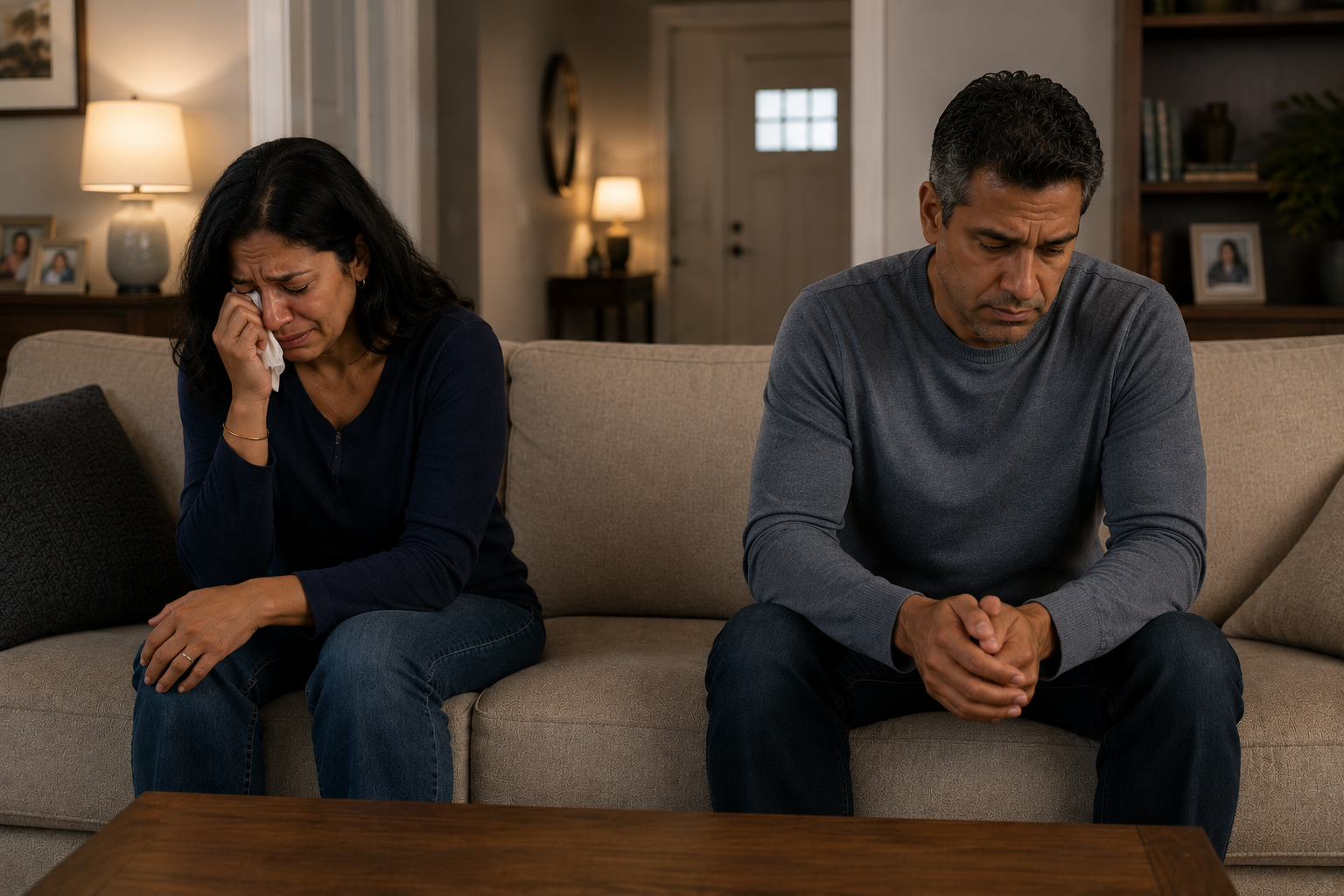
Affair RepairInfidelity can leave couples feeling devastated, angry, and hopeless. But a betrayal does not automatically mean the marriage is over. With honesty, accountability, and clear guidance, many couples are able to rebuild trust and create a stronger, more connected bond.
“Why can’t you just listen to me?”
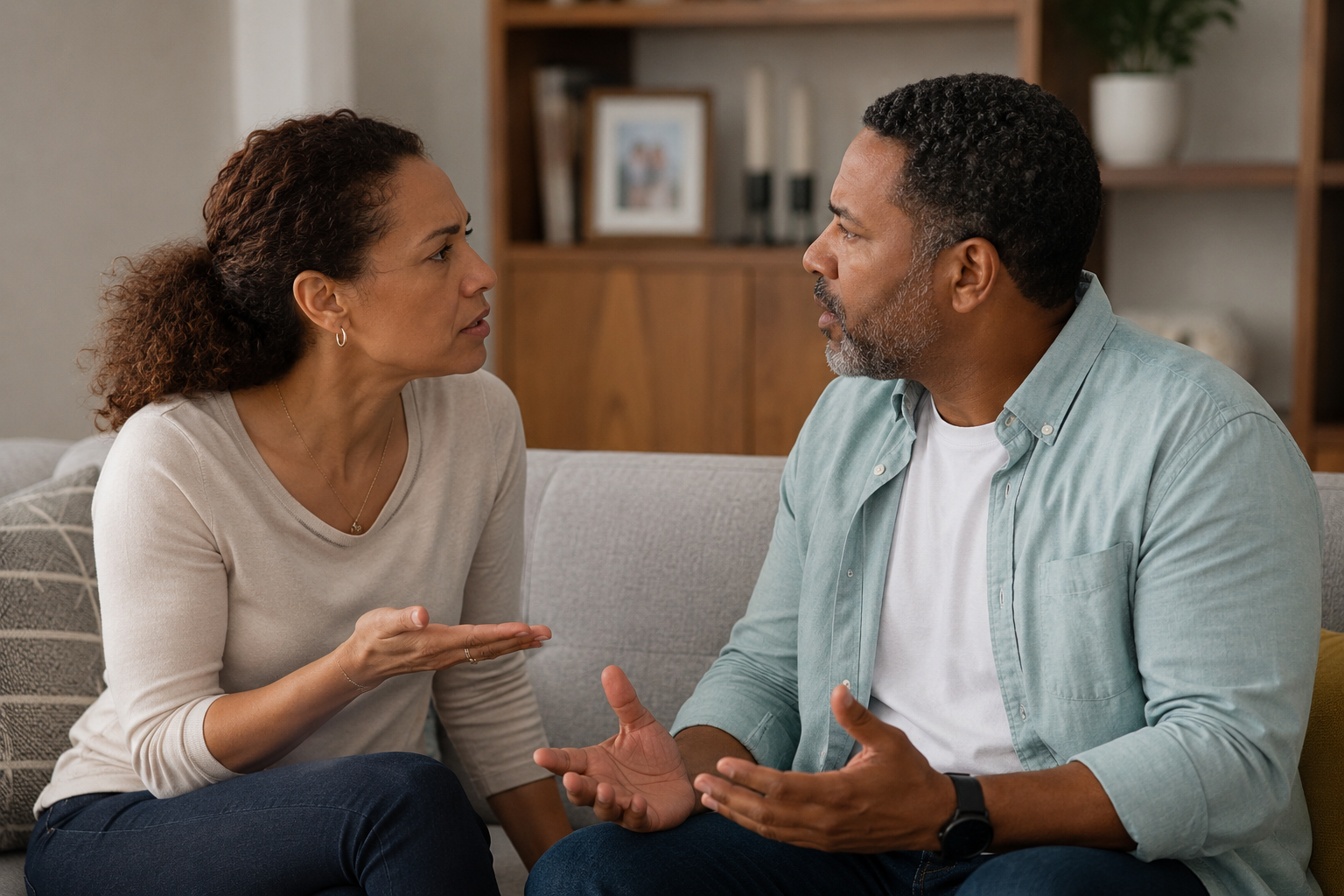
Communication and Conflict ResolutionMany couples get stuck having the same arguments over and over again. One person feels unheard, the other feels criticized, and neither feels understood. Or sometimes, both partners stop bringing things up because they don’t want to rock the boat. Counseling can help you identify patterns that are keeping you stuck and practice healthier ways of interacting.
“Why bother anymore?”
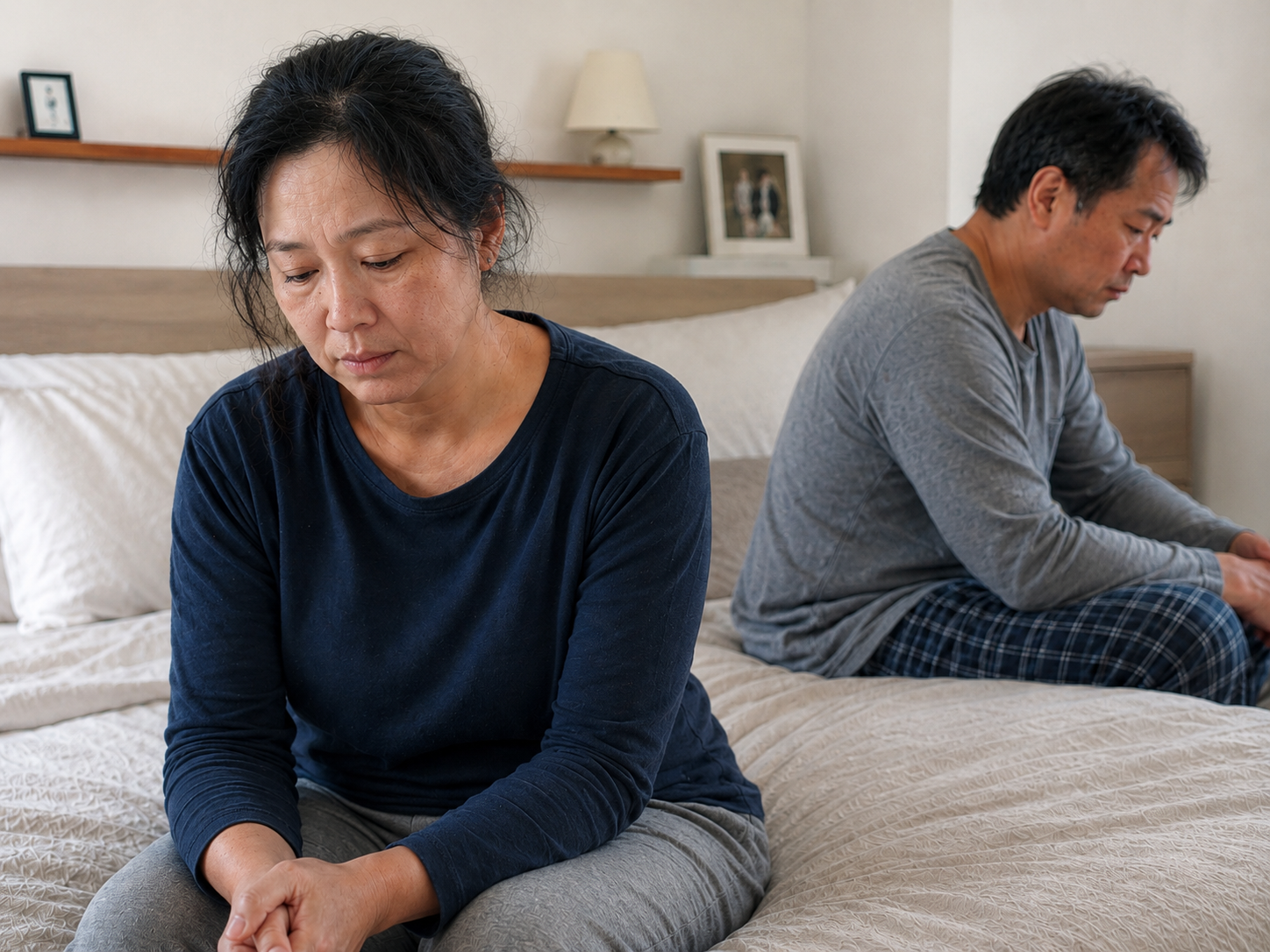
Finding Your Way Out of DiscouragementSometimes couples start to believe that nothing will change. Feeling like you just can’t get it right is tiring. So is never feeling heard. At this point, you’re not even sure counseling can help. That’s ok. If you’re willing to find out, you might discover there’s still a way back to each other.

Change is possible
Most couples reach out when they know something needs to change. They might feel exhausted, doubtful, and not sure if it’s too late.
The good news is, relationships are often more resilient than people realize. If you both really want your relationship to work, it can. With the right level of expertise, trust can be rebuilt, old patterns can change, and conversations can feel easier. Affection can return and so can laughter. You can start enjoying each other again and create a relationship you feel proud of.
Your Marriage Should Last Forever. Therapy Shouldn’t.
Some couples hesitate to start therapy because they’re not sure it will help and they don’t want to be in therapy forever. I provide couples therapy that goes deep without going on forever, so you can spend less time working on your relationship and more time enjoying it.
Three Ways to Work with Me
Option 1
“We’re ready to get started.”
Two-hour sessions
In my experience, two hours gives us the time to do quality therapy, slow things down, dig deeper, and work through what’s actually happening between you. We typically meet weekly for about a month, then move to every other week and eventually as needed. The goal is to make meaningful progress without keeping you in therapy any longer than you need to be.
Option 2
“Things feel urgent and we can’t wait.”
Accelerated Relationship Recovery
This is a structured 4-week program for couples who feel a sense of urgency, want to get started right away, and don’t want to wait months for results. We’ll meet twice a week for 90-minutes, with assessments completed beforehand and homework in between sessions. This structure allows for more progress in a shorter amount of time.
Option 3
“We need a deep dive. All hands on deck.”
Weekend Intensives
For couples who want the most concentrated level of support, a weekend intensive gives you two full days devoted to your relationship. You’ll work with two experienced couples therapists through a highly personalized process designed to help you understand what’s gone wrong, work through the places you’re stuck, and get back on track quickly. www.virginiacouplesintensives.com
Nothing changes if nothing changes. Get in touch today.
Therapy Models I Use With Couples
-
Gottman Method
Research based approach
Teaches tools for communication & conflict resolution
Focus on improving friendship, compromise, and repair
-
Relational Life Therapy (RLT)
Direct, action-oriented approach
Addresses power dynamics & resentment
Looks at childhood wounds and adaptations
-
Imago
Structured dialogues and experiential exercises used to build connection
Explores childhood experiences
Focus on cultivating patience, empathy, and grace
-
Emotionally Focused Therapy (EFT)
Attachment focused
Helps couples understand cycles and patterns of interaction
Prioritizes emotional connection
Frequently Asked Questions
-
Many couples I see have been in therapy before. Maybe the timing wasn’t right or the therapy itself wasn’t the best fit. I offer longer sessions and use four different therapy approaches to guide our work.
-
That’s common and I welcome clients who doubt this will help. Sometimes the reluctant partner is worried they’ll be blamed or misunderstood. Most people find they feel more comfortable once they get started. Your partner doesn’t have to be excited about therapy. They just have to be willing to show up and see what happens.
-
After more than 25 years of working with couples, I’ve learned that while every relationship is different, couples tend to get caught in patterns, cycles, and ways of interacting that need to be uncovered and addressed. There are often old wounds that need to be repaired. My job is to understand what’s happening between the two of you and get to the root of what’s keeping you stuck.
-
Issues like ADHD, anxiety, addiction, or depression can create stress on the relationship. We’ll look at how those issues are showing up between the two of you and work on ways to address them as a team. Sometimes additional individual support may be helpful. I can provide referrals or collaborate with your other providers.
-
Nope. If you’re both willing to try, I don’t believe it’s ever too late. It’s ok to come to therapy with doubt and uncertainty. I’ve watched couples go from distant roommates to connected partners again. There’s no crystal ball and we can’t guarantee the future, but if you’re both willing to sit on my couch, hope is still alive.
-
There’s no identified patient in couples therapy. This isn’t “fix my partner” therapy. We’ll make faster progress if both people are willing to self-reflect and be accountable for their part. You don’t have to see things the same way when you walk through my door. We’ll figure it out together.
When you’re ready for a change, I’m ready to help you get started.